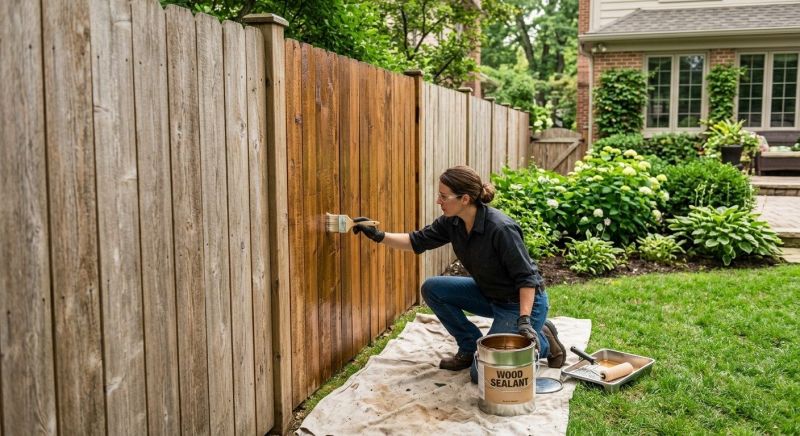
Fence Sealing in Seattle, WA
Fence sealing services involve applying protective treatments to existing fences to help prevent damage from moisture, UV rays, and other environmental elements. This service is suitable for a variety of fence types, including wood, vinyl, and composite materials, and is often requested for projects aiming to extend the lifespan and improve the appearance of fences around residential properties. Homeowners typically want to understand the benefits of sealing, such as enhanced durability and reduced maintenance needs, as well as any preparation steps required before the application.
Before requesting fence sealing, property owners should consider the current condition of their fence, including any signs of rot, cracking, or weathering. It’s important to clarify whether the fence needs cleaning or repairs beforehand, as these steps can impact the effectiveness of the sealant. Additionally, understanding the recommended frequency for sealing and the types of products used can help homeowners make informed decisions about maintaining their fences over time.
Many property owners in Seattle, WA look into Fence Sealing for repairs, replacements, upgrades, and appearance-related improvements.
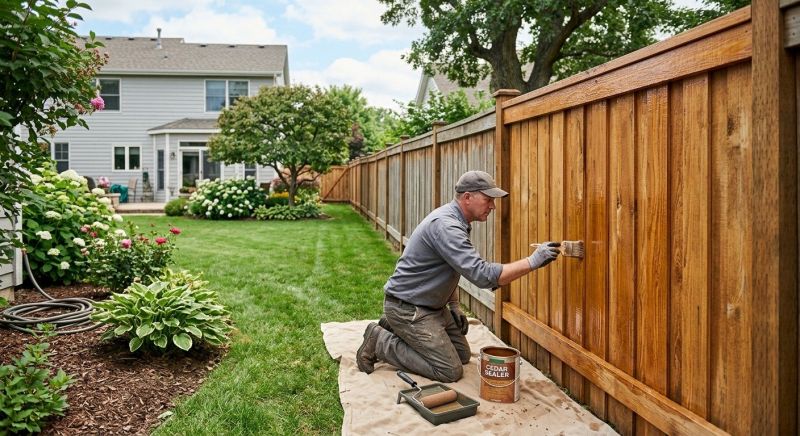
Protecting Your Fence
Sealing helps prevent wood rot, warping, and damage caused by moisture exposure.
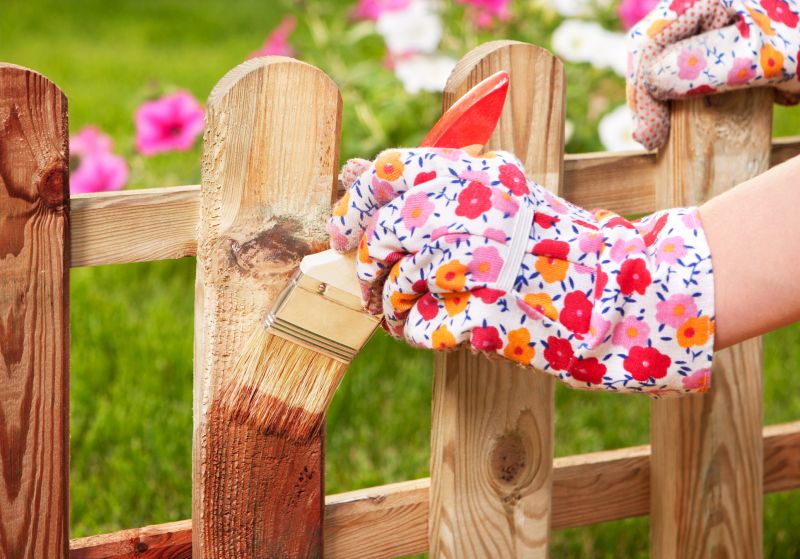
Enhancing Durability
Proper fence sealing extends the lifespan of fences in seattle’s varying weather conditions.
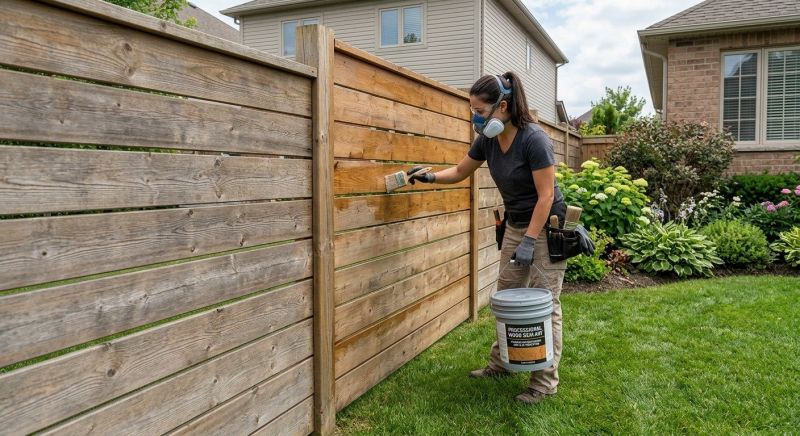
Maintaining Curb Appeal
A well-sealed fence looks fresh and clean, boosting your property's overall appearance.
Fence Sealing in Seattle, WA

Fence sealing services involve applying protective treatments to existing fences to help prevent damage from moisture, UV rays, and other environmental elements. This service is suitable for a variety of fence types, including wood, vinyl, and composite materials, and is often requested for projects aiming to extend the lifespan and improve the appearance of fences around residential properties. Homeowners typically want to understand the benefits of sealing, such as enhanced durability and reduced maintenance needs, as well as any preparation steps required before the application.
Before requesting fence sealing, property owners should consider the current condition of their fence, including any signs of rot, cracking, or weathering. It’s important to clarify whether the fence needs cleaning or repairs beforehand, as these steps can impact the effectiveness of the sealant. Additionally, understanding the recommended frequency for sealing and the types of products used can help homeowners make informed decisions about maintaining their fences over time.
Many property owners in Seattle, WA look into Fence Sealing for repairs, replacements, upgrades, and appearance-related improvements.
Common Fence Sealing Jobs
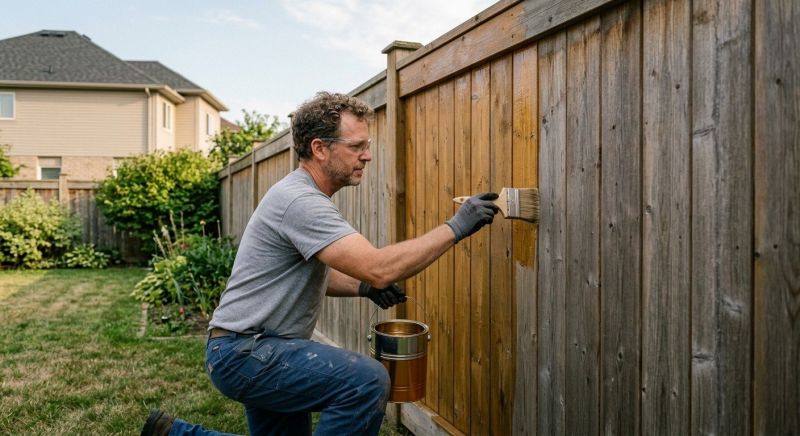
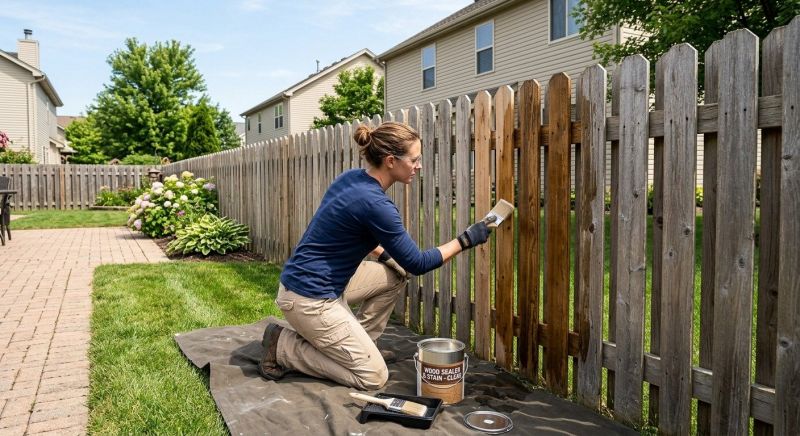
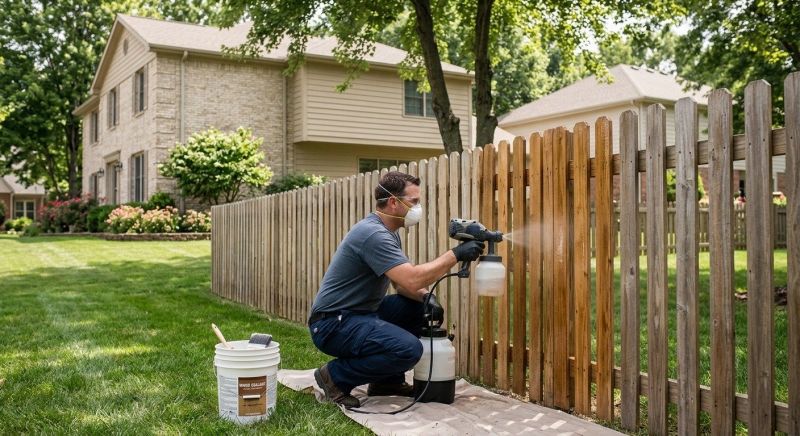
Fence sealing - helps protect wooden fences from moisture and weather damage.
Privacy fences - enhances durability and maintains appearance with proper sealing.
Picket fences - prevents rot and extends the lifespan of decorative fencing.
Garden fences - safeguards against water penetration and reduces maintenance needs.
Chain-link fences - minimizes corrosion and preserves structural integrity over time.
Vinyl fences - seals out dirt and moisture to keep fences looking clean and new.
Fence Sealing Questions
What is fence sealing? Fence sealing involves applying a protective coating to extend the life of wood, vinyl, or other fencing materials by preventing damage from moisture and weather.
Why should property owners consider fence sealing? Sealing helps reduce weather-related wear, prevents rot and decay, and maintains the appearance of the fence over time.
What types of fences benefit most from sealing? Wooden fences, especially those exposed to rain and moisture, benefit most, but sealing can also improve the durability of vinyl and composite fences.
How often should fences be sealed? Generally, fences should be resealed every 2 to 3 years to maintain optimal protection and appearance.
Request Fence Sealing in Seattle, WA
Use the quote form on this page to share the basics of your project and request more information for the type of work you need.