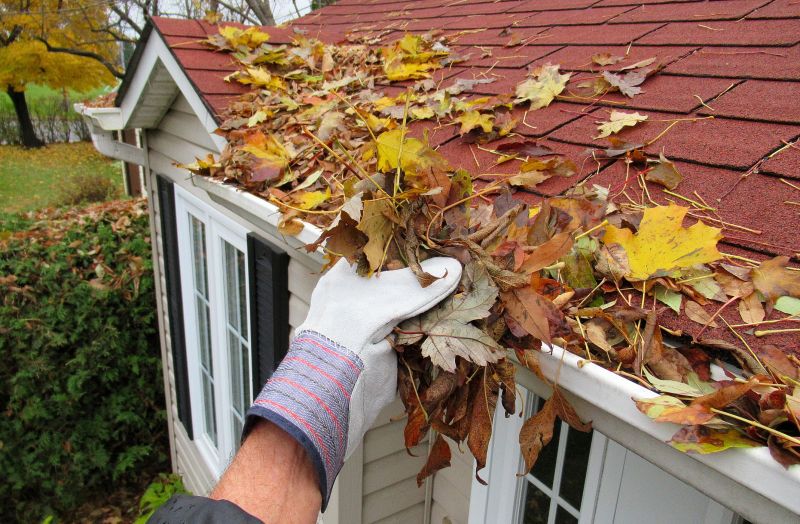
Gutter Leaves Removal in Morris County, NJ
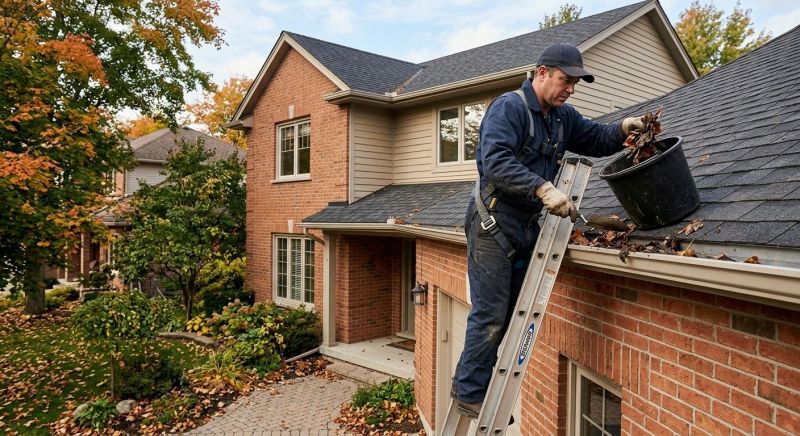
Gutter leaves removal services involve clearing out accumulated leaves, twigs, and debris from residential gutters to ensure proper water flow and prevent blockages. This service covers various projects, including routine cleanings, seasonal maintenance, and preparing gutters for heavy weather conditions. Homeowners typically seek this service to avoid water damage, foundation issues, and pest infestations caused by clogged gutters. Before requesting gutter leaves removal, property owners should consider the size and accessibility of their gutters, the types of debris commonly collected, and any specific concerns about pest control or gutter damage.
Understanding the scope of the project can help determine the best approach for gutter leaves removal. It’s helpful to know if the gutters require partial or full cleaning, whether downspouts need flushing, and if there are any obstructions or damage that need attention. Homeowners often want to confirm that the service includes thorough debris removal, inspection of gutter condition, and proper disposal of waste. Clarifying these details beforehand can ensure the project meets expectations and maintains the integrity of the property’s drainage system.
Many property owners in Morris County, NJ look into Gutter Leaves Removal for repairs, replacements, upgrades, and appearance-related improvements.
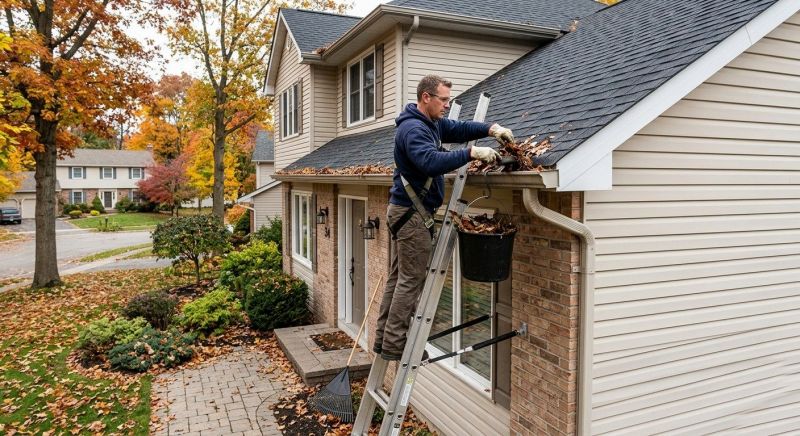
Gutter Debris Clearing
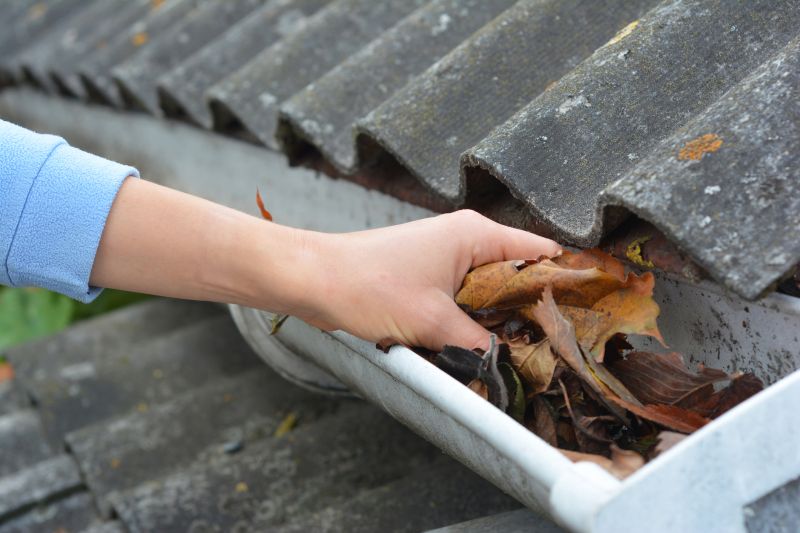
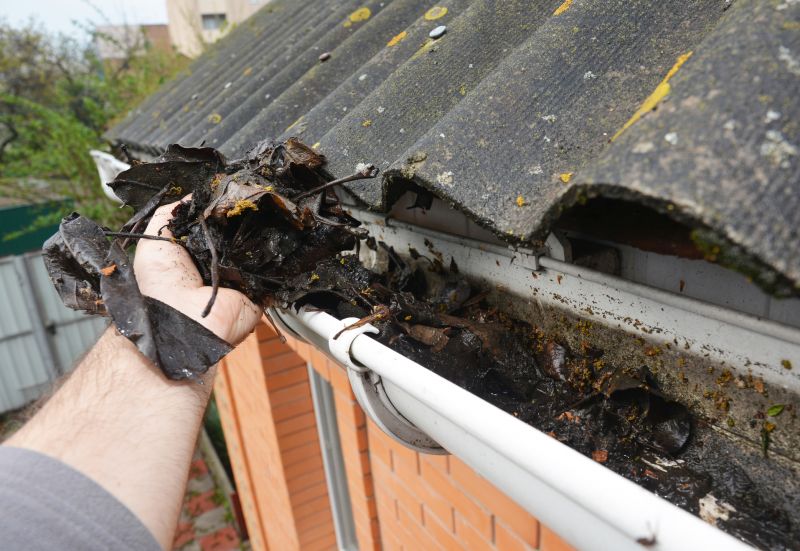
Removing leaves and debris helps prevent gutter blockages and water damage.
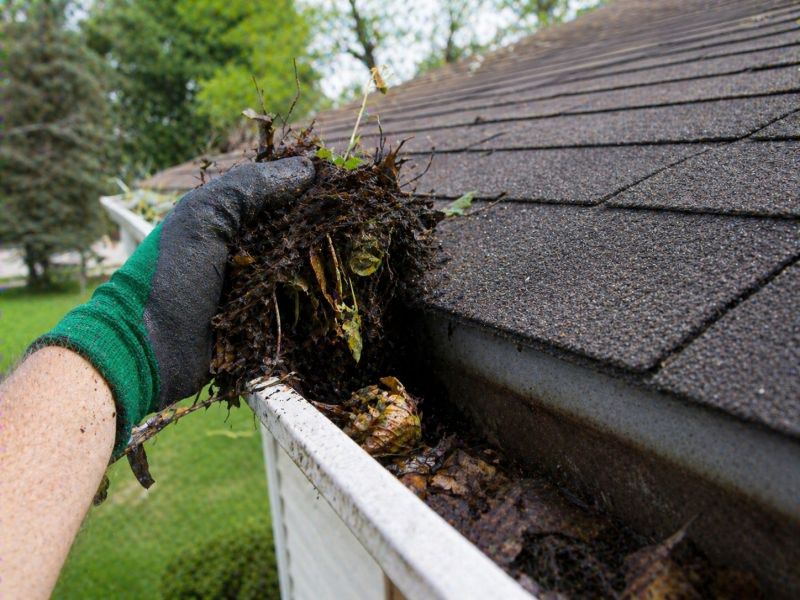
Maintenance For Morris County Homes
Regular gutter leaf removal protects roofs, foundations, and landscaping.
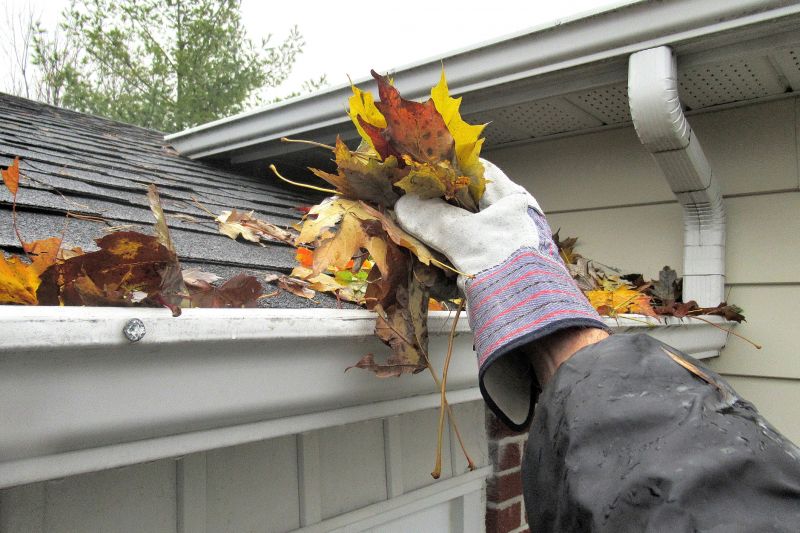
Seasonal Gutter Care
Keeping gutters clear during fall and spring reduces the risk of costly repairs.
Gutter Leaves Removal in Morris County, NJ

Gutter leaves removal services involve clearing out accumulated leaves, twigs, and debris from residential gutters to ensure proper water flow and prevent blockages. This service covers various projects, including routine cleanings, seasonal maintenance, and preparing gutters for heavy weather conditions. Homeowners typically seek this service to avoid water damage, foundation issues, and pest infestations caused by clogged gutters. Before requesting gutter leaves removal, property owners should consider the size and accessibility of their gutters, the types of debris commonly collected, and any specific concerns about pest control or gutter damage.
Understanding the scope of the project can help determine the best approach for gutter leaves removal. It’s helpful to know if the gutters require partial or full cleaning, whether downspouts need flushing, and if there are any obstructions or damage that need attention. Homeowners often want to confirm that the service includes thorough debris removal, inspection of gutter condition, and proper disposal of waste. Clarifying these details beforehand can ensure the project meets expectations and maintains the integrity of the property’s drainage system.
Many property owners in Morris County, NJ look into Gutter Leaves Removal for repairs, replacements, upgrades, and appearance-related improvements.
Common Gutter Leaves Removal Jobs
Gutter Leaves Removal - clearing accumulated leaves to prevent clogs and water damage.
Seasonal Gutter Cleaning - removing debris after autumn and spring to ensure proper flow.
Storm Debris Removal - clearing gutters of twigs, branches, and other storm-related debris.
Gutter Maintenance - inspecting and removing debris to extend gutter system lifespan.
High-Pressure Gutter Cleaning - using specialized equipment to remove stubborn dirt and buildup.
Gutter Debris Prevention - installing guards or screens to reduce future leaf accumulation.
Gutter Leaves Removal Questions
Why should leaves be removed from gutters regularly? Regular leaf removal prevents clogging, which can lead to water damage and roof issues.
What types of debris are typically removed during gutter leaf removal? Common debris includes leaves, twigs, acorns, and small branches that can block water flow.
How does gutter leaf removal benefit property maintenance? It helps maintain proper drainage, reduces the risk of water damage, and extends gutter lifespan.
When is the best time to schedule gutter leaf removal? It is most effective after peak leaf fall seasons, typically in late autumn and early spring.
Request Gutter Leaves Removal in Morris County, NJ
Use the quote form on this page to share the basics of your project and request more information for the type of work you need.